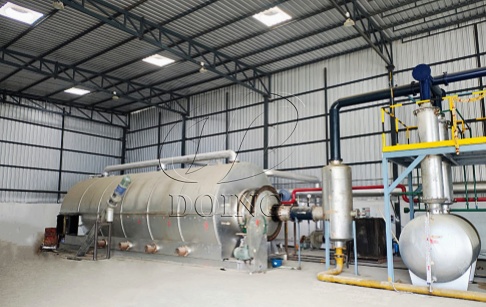


Can Waste Oil Distillation Equipment Be Directly Integrated with Pyrolysis Equipment?
In waste-to-fuel projects, pyrolysis equipment and waste oil distillation equipment are typically installed as two separate but closely connected systems. The pyrolysis unit converts waste materials (tires, plastics, oil sludge, etc.) into pyrolysis oil, while the distillation unit upgrades the crude oil into higher-value fuel fractions such as non-standard diesel.
So can Waste Oil Distillation Equipment Be Directly Integrated with Pyrolysis Equipment? Theoretically, it's possible but the optimal integration method depends on the operating modes of both systems and project requirements.
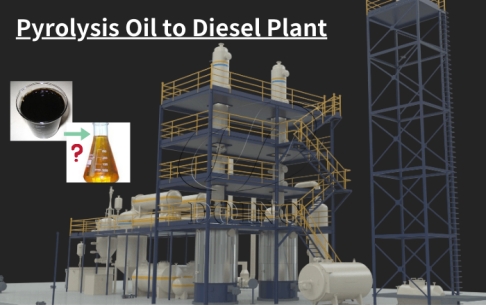
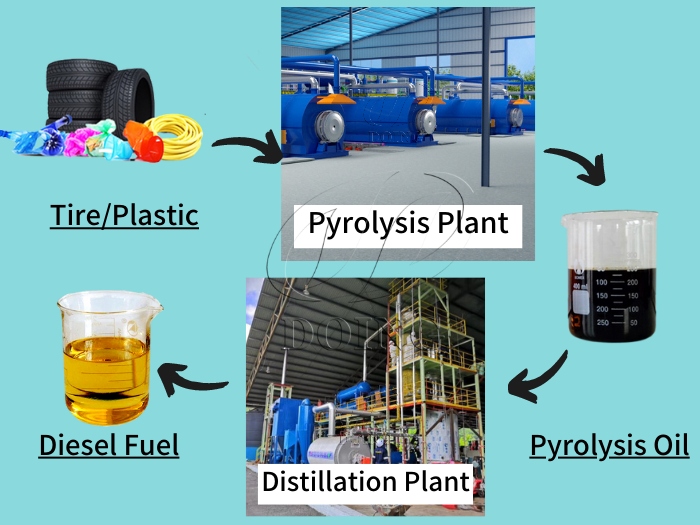 Waste-to-Diesel Pyrolysis and Distillation Process
How Pyrolysis and Distillation Equipment Are Connected to Convert Waste into Diesel?
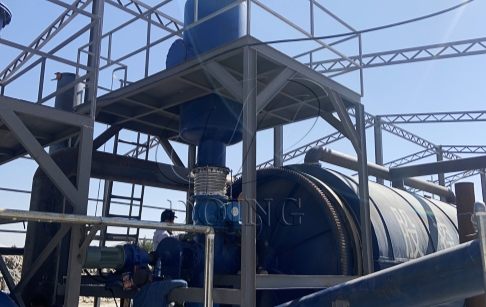
Based on the suggestion of engineer team of DOING Company, a feasible solution to connect and integrate the two systems is to add temporary oil storage tanks between the pyrolysis and distillation equipment, facilitating the pumping of pyrolysis oil into the distillation equipment. The oil storage tank is an important part of the integrated system because it helps:
1. Prevent pipeline overflow or blockage
2. Balance the operating rhythms between the two systems
3. Improve overall operational stability
Furthermore, ensuring the stable transfer of pyrolysis oil requires precise engineering design in addition to storage tanks. This entails the use of high-temperature-resistant piping, pumps, pressure control systems, and reliable safety measures.
In this condition, waste materials can be converted into non-standard diesel through the integrated pyrolysis distillation process:
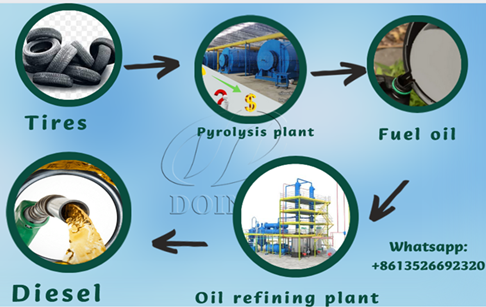
Waste materials are fed into the pyrolysis reactor and thermally decomposed into pyrolysis oil, gas, and carbon black. The pyrolysis oil is collected and temporarily stored in a oil storage tanks. The oil is then transferred to the waste oil distillation unit for refining into qualified fuel products. This integrated configuration is commonly used in waste tire recycling, plastic-to-fuel plants, and oil sludge treatment projects.
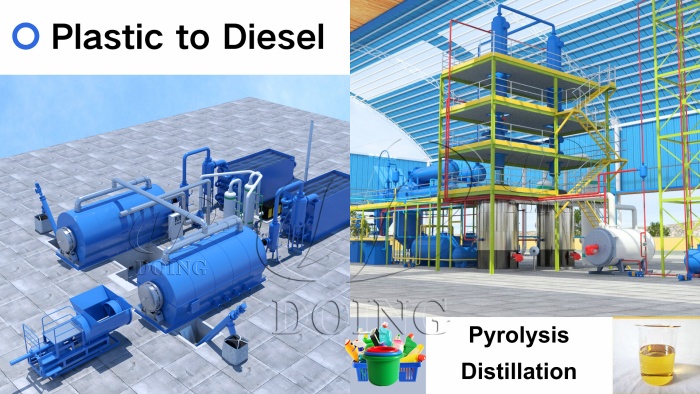 Waste Plastic Tyre-to-Diesel Processing Workflow
Note: Although the two systems can be integrated into one production line, fully synchronized continuous operation is still difficult under standard industrial configurations.
Why Fully Continuous Pyrolysis Distillation Operation Is Challenging?
Pyrolysis equipment supports batch, semi-continuous, and fully continuous operation. The processing capacity of pyrolysis equipment may vary a lot, from 100kg per batch to 50+TPD. And its working efficiency of pyrolysis machine can be 1 batch in 1 day, 3 batches in 2 days or 24/7hours no-stopping.
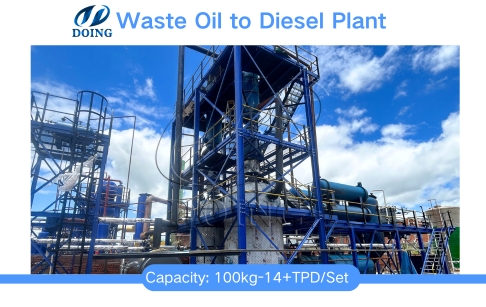
However, standard waste oil distillation equipment primarily operates in batch mode, with a processing cycle of approximately 15 to 20 hours per batch. And the daily capacity mainly varies from 100kg per batch to 14+TPD. Daily processing capacity typically ranges from 100 kilograms per batch to 14 tonnes per day.
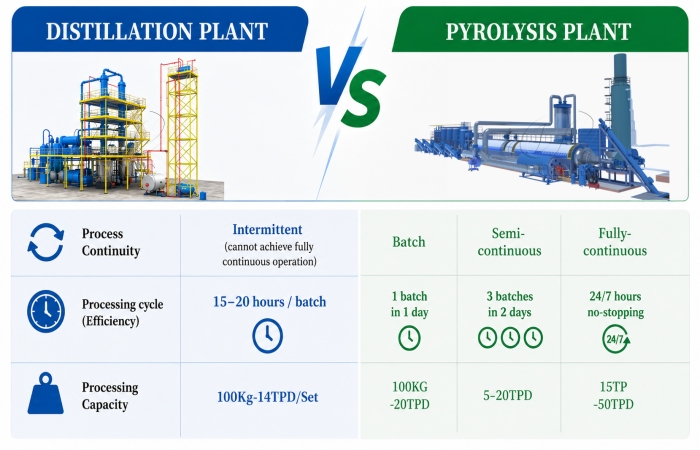 Differences between Pyrolysis Equipment and Distillation Equipment
Due to differences in operational modes and efficiency, it is difficult to achieve a fully continuous process even when pyrolysis and refining equipment are integrated.
Other Continuous Plastic-to-Diesel Solution Provided By DOING
If your feedstock is mainly plastic and you seek a more continuous plastic-to-diesel solution, we recommend DOING’s Plastic Diesel–Gasoline Integrated Machine.
This all-in-one system integrates cracking and fuel fractionation, supports continuous feeding, and is equipped with automatic PLC control. It is particularly suitable for small to medium-scale continuous plastic waste-to-fuel projects.
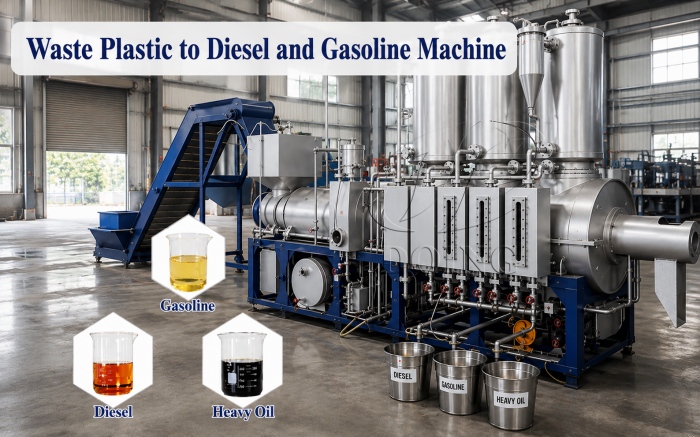 DOING’s Plastic Diesel–Gasoline Integrated Machine
If you are planning a waste-to-fuel pyrolysis and distillation project, Henan DOING Company can provide fully customized solutions based on your raw materials, processing capacity, and target fuel requirements. Welcome to contact us with your project details for a professional technical proposal.
 PREV:Do DOING Waste Oil Distillation Plants Operate Continuously?
 NEXT:How Can Non-standard Diesel Obtained from Waste Oil Distillation Be Used in Trucks?
Please feel free to leave your contacts here and your privacy is protected. A competitive quotation will be provided according to your detailed requirement within one business day.
- QWhat raw material do you plan to process?
- Rubber tire
- Waste plastic
- Oil sludge
- Biomass
- Waste oil
- Pyrolysis oil
- Not decided yet
- Other:
- QMachine daily processing capacity (tons of feedstock)
- 100kg-2ton
- 5-15ton
- 15-50ton
- >50ton
- Not decided yet
- QDesired final product and its primary applications

-
Waste Oil Recycling to Diesel Machine Price, Capacity, and ROI: A Complete Guidance for Customer
-
What is the Process of Waste Oil Distillation Plant and Its Advantages?
-
Horizontal vs Vertical Reactor for Waste Oil Distillation Plant
-
How much waste oil can be processed by waste oil recycling distillation plant daily?
-
Two Options for Liquid and Solid Catalyst Waste Oil Recycling Machines
-
-
-

DOING 10TPD Solid Catalyst Waste Oil Distillation Plant Installed in Kenya
-
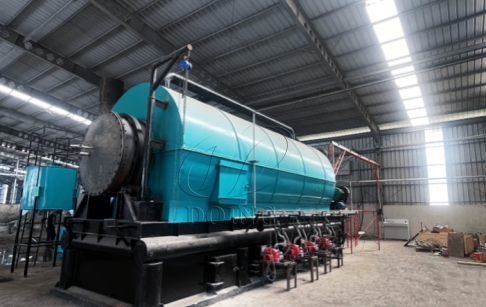
10Ton Batch Plastic Pyrolysis Equipment Installed in Indonesia
-
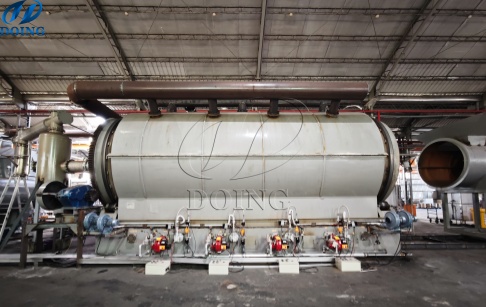
2 Sets of DOING Pyrolysis Equipment for Plastic and Biomass Recycling Installed in China
-
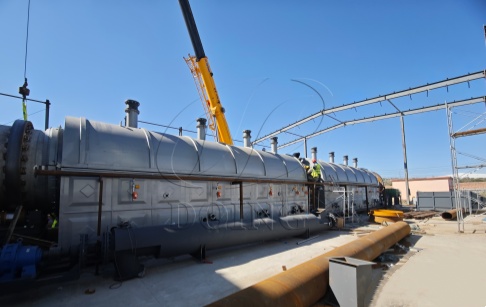
Successful Installation of 50-Ton Fully Continuous Oil Sludge Pyrolysis Equipment in China
-
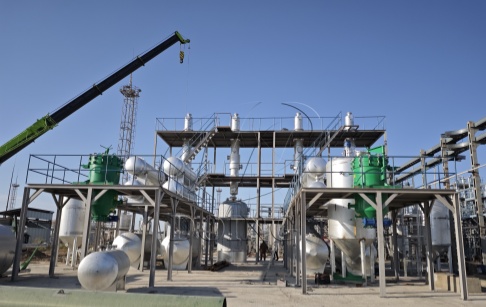
Installation of DOING 30 tons of waste oil distillation machine project installed in Kazakhstan
-
-