


Does plastic pyrolysis process need catalytic chemicals involved?
DOING, as a manufacturer that has been manufacturing pyrolysis plant since 2010, has extensive experience in recycling all kinds of waste materials in the market, such as waste plastics, tires, rubber, and oil sludge. For different raw materials, different solutions and designs are required for their recycling. Today, what we are going to talk about is the pyrolysis recycling method for plastic as a raw material, and whether a catalyst is needed during the pyrolysis process.
Plastic pyrolysis is a thermal decomposition process that converts waste plastics into useful products like fuel oil, carbon black, and syngas in an oxygen-free environment. It is widely regarded as an effective method for resource recovery and environmental protection, helping to reduce plastic pollution and dependence on virgin fossil fuels.
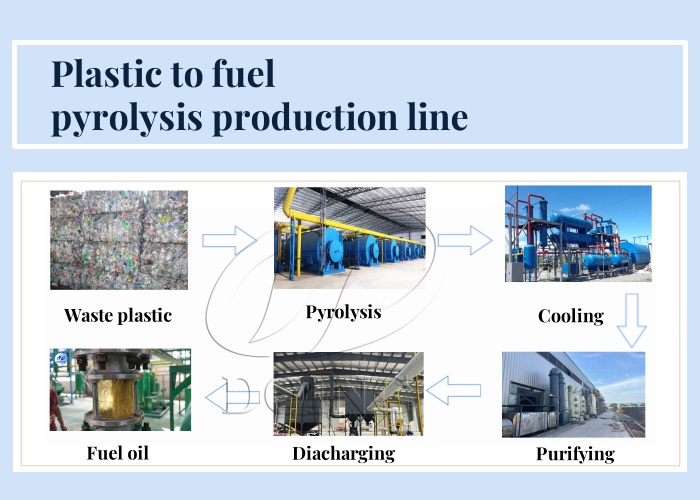
Plastic to fuel oil pyrolysis process
Not all plastic pyrolysis processes require catalytic chemicals. Basic pyrolysis processes rely on high temperatures to decompose plastics without the addition of other chemicals. Pyrolysis without a catalyst can still achieve the thermal decomposition of plastics and produce usable products. The only difference might be in the yield of the products compared to catalyst-assisted processes.
Special Circumstances Requiring the Use of Catalytic Chemicals
In the process of plastic pyrolysis, the use of catalytic chemicals is particularly beneficial in the following situations to address specific problems and optimize output:
Reducing wax oil formation: Plastic pyrolysis produces wax oil, leading to equipment pipeline blockage and reduced market value of the pyrolysis oil. Catalysts can decompose the wax oil, improving oil fluidity and reducing accumulation.
Improving oil quality and processability: Catalysts reduce the viscosity of plastic pyrolysis oil while decreasing the content of harmful elements such as sulfur and nitrogen, improving oil quality and market attractiveness.
Accelerating reactions and increasing efficiency: When rapid processing or increased yield is required, catalysts can lower the activation energy, accelerate the pyrolysis reaction rate, and enhance product selectivity, promoting the formation of liquid hydrocarbons and reducing gaseous or carbon black byproducts, thus obtaining more plastic pyrolysis oil.
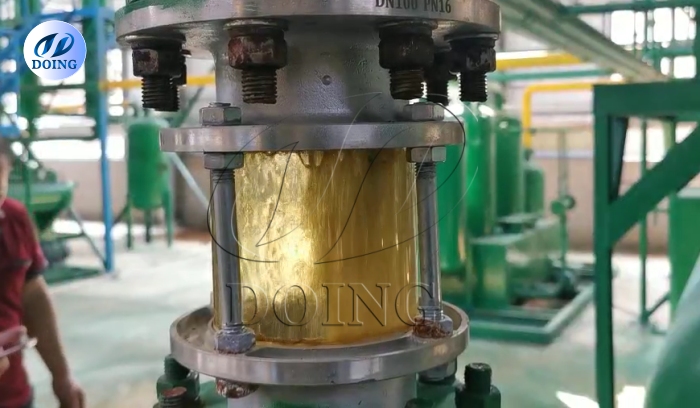
Plastic pyrolysis oil
Common Types of Catalytic Chemicals Used in Plastic Pyrolysis
Metal oxide catalysts: Such as SiO₂ and Al₂O₃ are used for catalytic cracking and dispersion, helping to improve pyrolysis efficiency and oil quality.
Acidic catalysts: Strong acids such as AlCl₃ and H₂SO₄ can effectively catalyze the depolymerization and cracking reactions of plastics, significantly increasing the conversion rate of plastic pyrolysis into liquid products.
Alkaline catalysts: Alkaline catalysts such as NaOH and KOH are suitable for the degradation, modification, and wax oil conversion of certain polymer systems, improving solubility and conversion rate.
Alternatives to Catalytic Chemicals
To mitigate the challenges associated with non-catalytic plastic pyrolysis processes, optimized equipment design and operational strategies are employed. These can include:
High-efficiency condensation system: Precisely controls the cooling stage during the pyrolysis process, effectively separating different components of the vapor and processing the wax oil.
Coke removal and cleaning mechanism: Automatic or manual system for removing accumulated carbon and coke in the reactor, ensuring continuous operation.
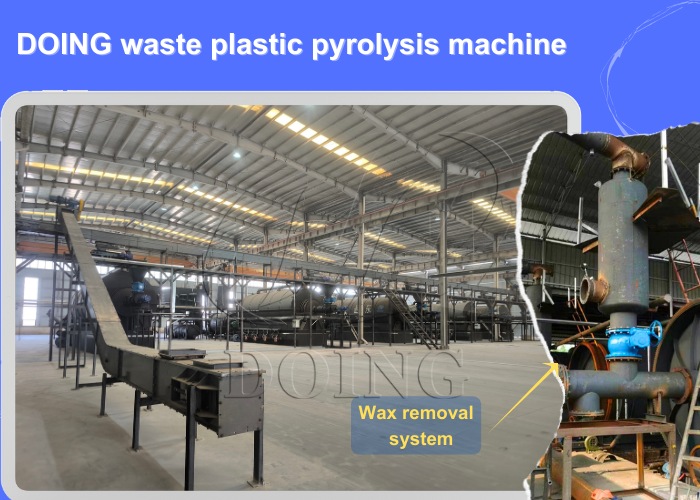
DOING waste plastic pyrolysis plant wax removal system
Pyrolysis oil reprocessing: If the obtained oil has a high wax content, further pyrolysis oil refining or blending techniques can be used to improve its quality and market value.
Ultimately, whether a catalyst is needed for plastic pyrolysis depends on several factors:
Plastic type: Different plastic polymers have different chemical structures and react differently under pyrolysis conditions. For example, polyolefin plastics such as PE and PP, due to their long-chain hydrocarbon structure, easily produce wax oil during pyrolysis, requiring catalytic chemicals to optimize the conversion. Plastics containing benzene rings or ester groups, such as PS, due to shorter molecular chains or structural differences, mainly produce liquid hydrocarbons or monomers as pyrolysis products, and basically do not produce wax oil.
Target product: If the target is heavy fuel oil, a non-catalytic process is sufficient.
Scale and budget: A trade-off between the cost of the catalyst and the value of the plastic pyrolysis product or operational efficiency. Small-scale pyrolysis plants often omit catalytic chemicals to reduce costs.
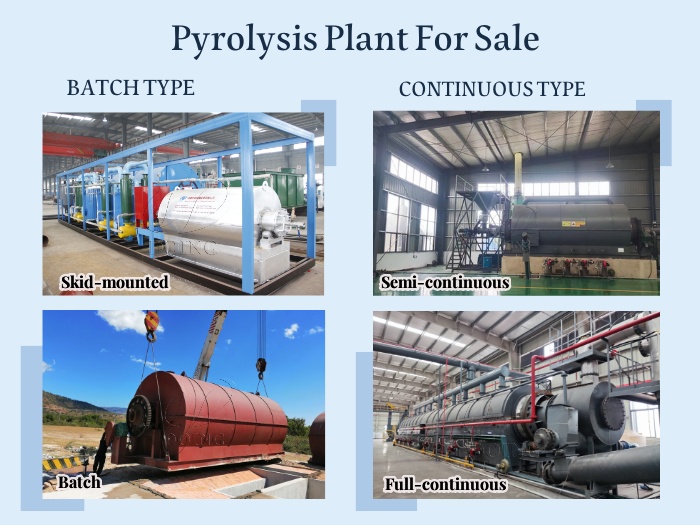
DOING pyrolysis plant types
Environmental and regulatory requirements: catalytic chemicals can reduce emissions, but pyrolysis equipment equipped with good environmental protection systems can meet standards without using catalytic chemicals.
For manufacturers aiming to maximize oil yield, produce higher-quality plastic pyrolysis oil, and ensure smooth operation of pyrolysis equipment with reduced clogging, using catalytic chemicals is often an effective solution. For other applications, a well-designed non-catalytic plastic pyrolysis unit with reliable operational control is sufficient.
If you are considering a plastic pyrolysis project and need to determine the most suitable plastic pyrolysis process and pyrolysis plant for your specific needs, feel free to discuss your requirements with DOING's experts.


Please feel free to leave your contacts here and your privacy is protected. A competitive quotation will be provided according to your detailed requirement within one business day.
- QWhat raw material do you plan to process?
- Rubber tire
- Waste plastic
- Oil sludge
- Biomass
- Waste oil
- Pyrolysis oil
- Not decided yet
- Other:
- QMachine daily processing capacity (tons of feedstock)
- 100kg-2ton
- 5-15ton
- 15-50ton
- >50ton
- Not decided yet
- QDesired final product and its primary applications

-
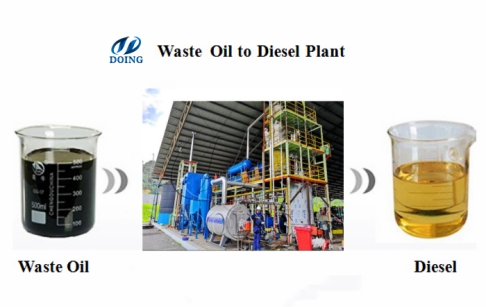
What is the Process of Waste Oil Distillation Plant and Its Advantages?
-
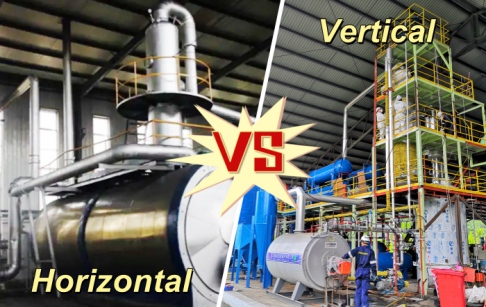
Horizontal vs Vertical Reactor for Waste Oil Distillation Plant
-
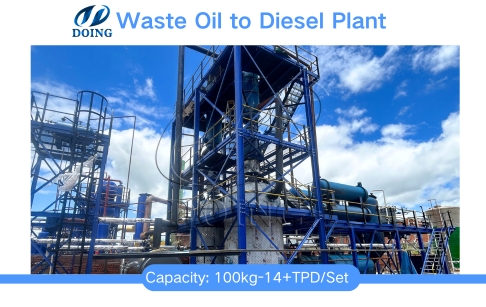
How much waste oil can be processed by waste oil recycling distillation plant daily?
-
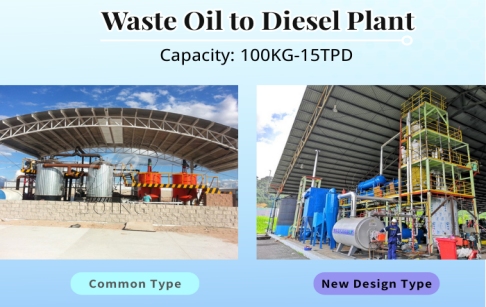
Two Options for Liquid and Solid Catalyst Waste Oil Recycling Machines
-
-
-
How many ways are there to regenerate waste engine oil to diesel?
-
2 Sets of DOING Pyrolysis Equipment for Plastic and Biomass Recycling Installed in China
-
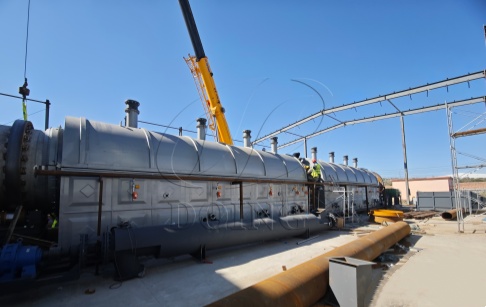
Successful Installation of 50-Ton Fully Continuous Oil Sludge Pyrolysis Equipment in China
-
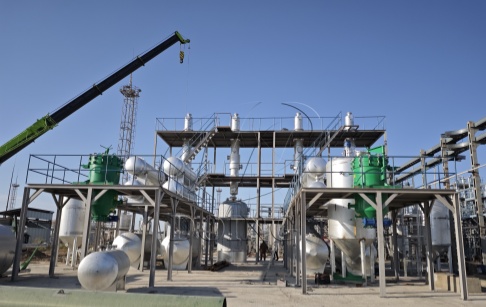
Installation of DOING 30 tons of waste oil distillation machine project installed in Kazakhstan
-
-
-
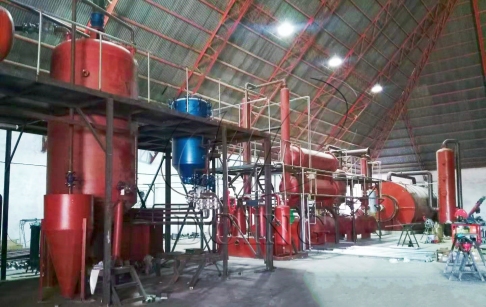
Mexican customer's waste pyrolysis distillation plant were successfully installed
-
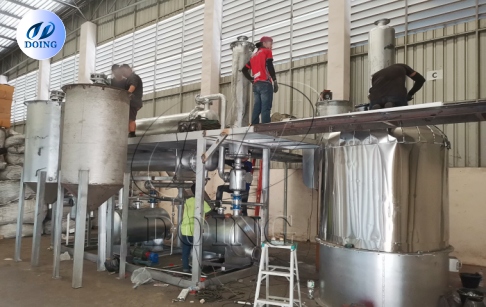
1TPD pyrolysis oil to diesel distillation plant installed in Thailand