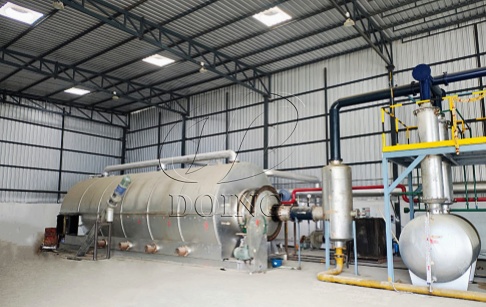


What Are The Site Requirements For Establishing A Pyrolysis Plant?
Establishing a pyrolysis plant represents a significant stride towards sustainable waste management, transforming materials like plastics, tires, and biomass into valuable resources such as pyrolysis oil, syngas, and carbon black. However, the success of such an innovative venture hinges not just on the technology itself, but fundamentally on selecting an appropriate site and meeting essential infrastructure requirements.
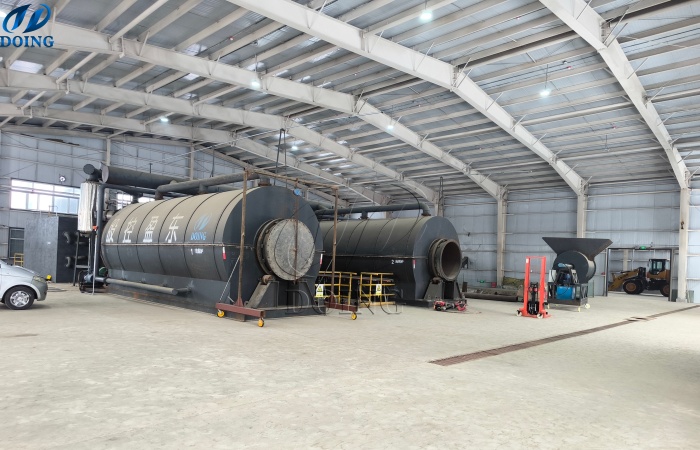
DOING waste to fuel pyrolysis plant project site
I. Location
The foundation of any successful pyrolysis plant is its location, meticulously chosen to optimize logistics and ensure operational stability.
Feedstock Accessibility:
The lifeblood of any pyrolysis operation is its raw material supply. Therefore, proximity to waste sources, such as waste rubber, end of life tyres(elts), scrap plastic, plastic medical waste, oily sludge, biomass materials, etc. Being close to your feedstock significantly reduces transportation costs, which can be a major operational expense. It also helps ensure a stable and consistent supply of raw materials, minimizing logistical bottlenecks and guaranteeing continuous plant operation. This direct link enhances the project's overall competitiveness and profitability.
Robust Transportation Networks:
Efficient logistics are critical for both incoming raw materials and outgoing end products. The chosen site must offer convenient and reliable access to major transportation networks. This includes well-maintained roads capable of handling heavy vehicle traffic, facilitating the easy movement of large trucks for material delivery. A strong transportation infrastructure minimizes transit times and costs, reduces the risk of supply chain disruptions, and enhances the overall efficiency of your operations.
II. Space and Structural Integrity
A pyrolysis plant is a complex industrial facility, requiring ample space and robust construction to house equipment, ensure safety, and facilitate efficient operations.
Specific Equipment Installation Dimensions:
The core of your plant – the pyrolysis reactor system – demands specific spatial allowances for installation, safe operation, and routine maintenance.
DOING Group Standard: For instance, DOING Group's standard pyrolysis reactor system typically requires a minimum clear space of 18,000 mm (length) x 12,000 mm (width) x 6,000 mm (clear height).
These dimensions are crucial for proper equipment function, ease of access for maintenance personnel, and adherence to safety clearances. When planning, it's always advisable to include a reasonable buffer zone beyond these minimums.
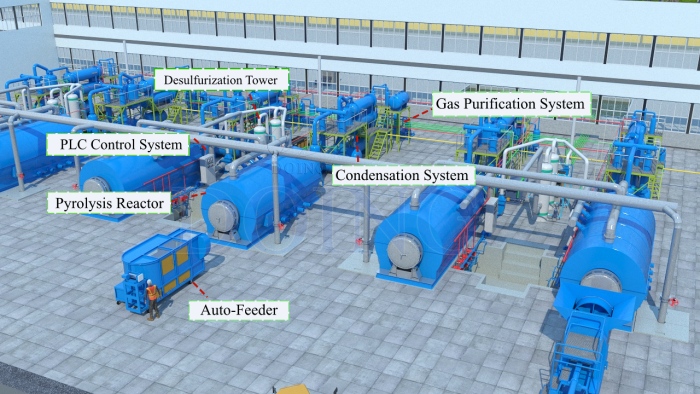
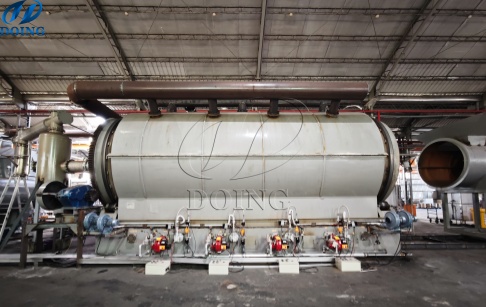
DOING batch type pyrolysis plant components
Adequate Overall Site Area:
Beyond the footprint of the pyrolysis unit itself, sufficient land must be allocated for various critical functions. This includes dedicated areas for raw material storage, finished product storage (e.g., pyrolysis oil tanks, carbon black storage, steel wire piles), offices, maintenance workshops, fire safety access routes, and potential future expansion.
A typical pyrolysis plant generally requires a total site area of approximately 300 square meters or more to ensure safe, efficient, and compliant operations, allowing for necessary buffers and operational flexibility.
Robust Foundation and Enclosures:
Given the weight and operational dynamics of pyrolysis plant, a strong structural base is non-negotiable.
Foundation: A reinforced concrete base of at least 10 cm thick is essential to adequately support heavy equipment, distribute loads evenly, and minimize vibrations during operation, thereby extending the lifespan of your machinery.
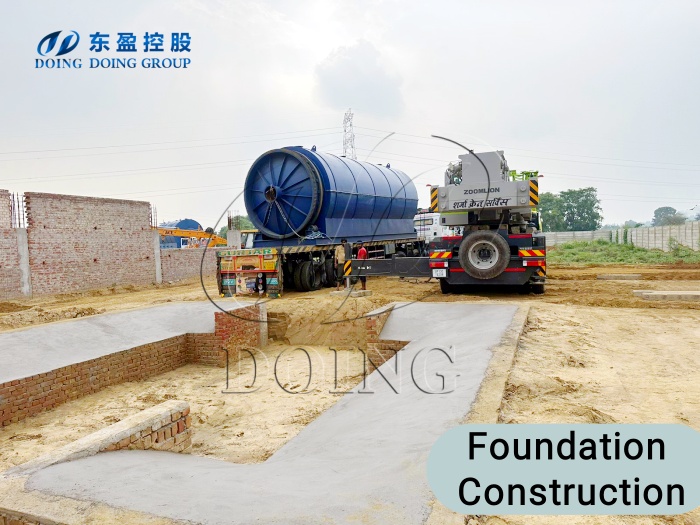
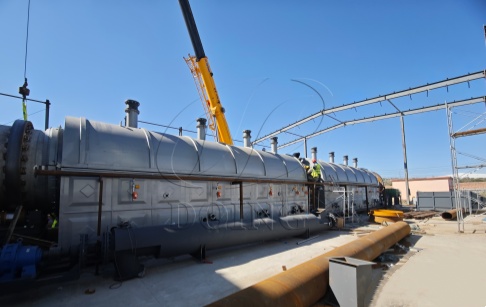
DOING pyrolysis plant foundation construction
Protection: Furthermore, the factory structure, including walls and roofs, should be constructed from non-combustible materials to meet strict fire safety standards. A covered or fully enclosed area is generally required to protect the valuable equipment from adverse weather conditions such as rain, snow, and strong winds, which helps prevent corrosion and ensures consistent operational performance.
III. Essential Infrastructure and Utilities
The Pyrolysis Process's Self-Sufficiency:
One of the distinct advantages of pyrolysis technology is its internal energy recovery system.
The combustible gases (syngas) generated during the pyrolysis process can be efficiently captured and recycled back to fuel the reactor. This significantly reduces the reliance on external fuel sources, leading to lower operating costs and a reduced demand for conventional grid-supplied energy. This inherent self-sustaining characteristic often means the plant requires less external gas supply compared to other industrial processes.
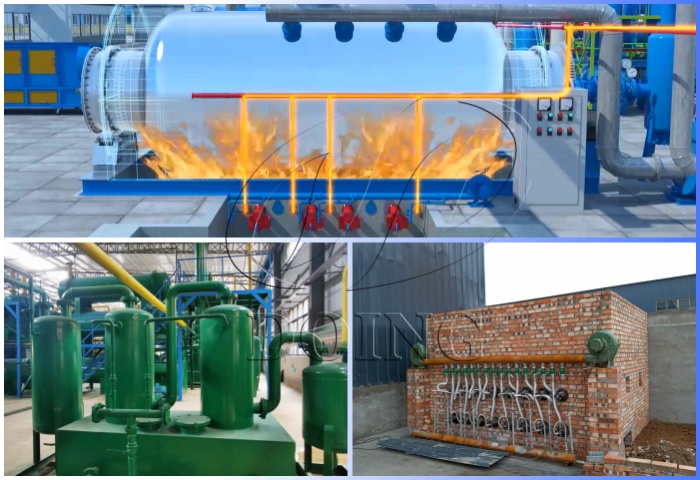
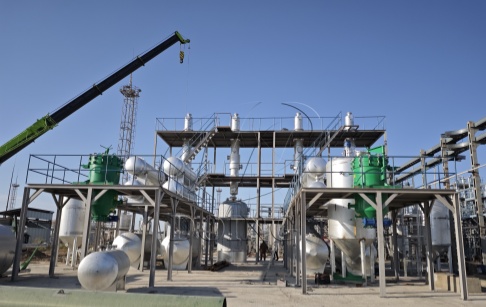
DOING pyrolysis plant syngas recycling system
Necessary On-Site Storage Facilities:
Despite the pyrolysis process's energy efficiency, adequate on-site storage is critical for smooth operation.
Raw Material Storage: Designated areas must be established to store incoming raw materials. It's generally recommended to have storage capacity for at least three operational days of feedstock to mitigate supply chain fluctuations.
Finished Product Storage: Separate, secure areas are needed for final products. This includes specialized tanks for pyrolysis oil, sealed storage for carbon black, and designated piles for steel wire(tire pyrolysis), ensuring product integrity and safe handling.
Basic Utility Connections:
Electricity: A reliable source of electricity is required for pyrolysis plant start-up, control systems, pumps, lighting, and other auxiliary equipment.
Water: Though the process itself may not be water-intensive, water supply is crucial for fire suppression systems, essential cleaning, and staff amenities.
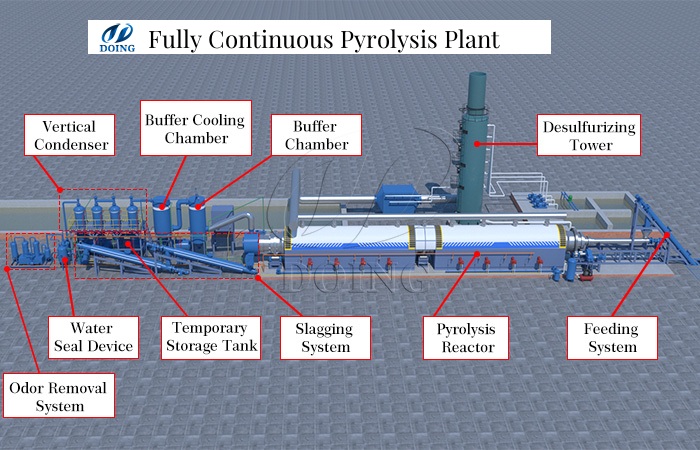
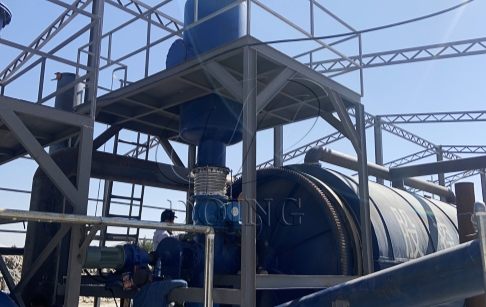
DOING fully continuous pyrolysis plant component
IV. Environmental Stewardship and Regulatory Compliance
Operating a pyrolysis plant responsibly means adhering to stringent environmental and regulatory standards from day one.
Local Government Regulations and Permitting:
Navigating local, regional, and national regulations is a non-negotiable aspect of site selection. Securing all necessary permits and approvals – encompassing environmental impact assessments, safety regulations, fire codes, and building permits – is a prerequisite for project success. Early engagement with local authorities is vital.
Environmental Impact Considerations:
This includes assessing and mitigating potential noise pollution, ensuring strict adherence to air emission standards, and planning for the environmentally sound disposal of any process residues.
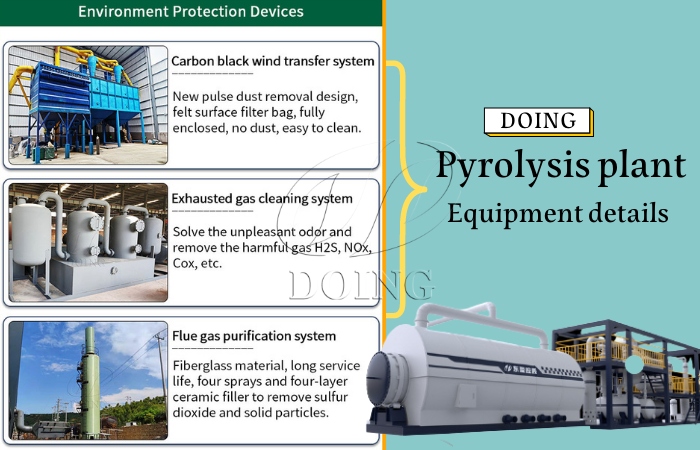
DOING pyrolysis plant environment protection devices
DOING Group's Solution: At DOING Group, we integrate advanced environmental protection technologies into our pyrolysis plants, such as multi-stage dedusting systems and flue gas treatment, to ensure emissions meet or exceed local and international environmental standards.
With over a decade of expertise in pyrolysis technology, DOING Group provides:
Professional Site Planning Assistance: Our team provides expert guidance from initial feasibility studies through to detailed plant layout design.
Site Analysis and Evaluation: We help you analyze and assess potential sites, ensuring they meet all spatial, regulatory, and operational specifications.
Complete Solutions: DOING Group offers solutions, encompassing equipment selection, installation, commissioning, and even guidance on plant construction.
Regulatory Compliance Support: We can assist in understanding and navigating the complex landscape of environmental and safety regulations relevant to your project.
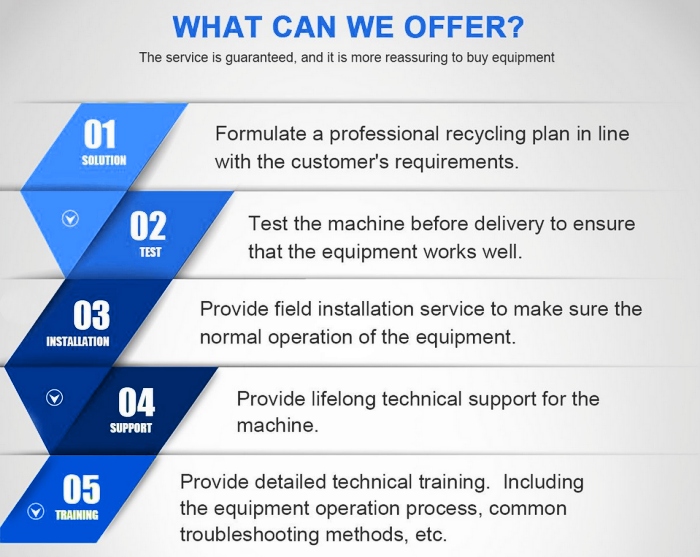
DOING pyrolysis plant manufacturer
Contact DOING Group today to discuss your pyrolysis project requirements. Let our specialized site planning services help you establish an efficient, safe, and profitable pyrolysis plant.
 PREV:How To Carry Extended Producer Responsibility (Epr) In Used Oil Recycling Business?
 NEXT:What factors affect the service life of a pyrolysis reactor?
Please feel free to leave your contacts here and your privacy is protected. A competitive quotation will be provided according to your detailed requirement within one business day.
- QWhat raw material do you plan to process?
- Rubber tire
- Waste plastic
- Oil sludge
- Biomass
- Waste oil
- Pyrolysis oil
- Not decided yet
- Other:
- QMachine daily processing capacity (tons of feedstock)
- 100kg-2ton
- 5-15ton
- 15-50ton
- >50ton
- Not decided yet
- QDesired final product and its primary applications

-
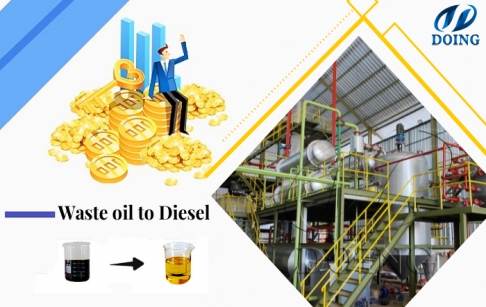
Waste Oil Recycling to Diesel Machine Price, Capacity, and ROI: A Complete Guidance for Customer
-
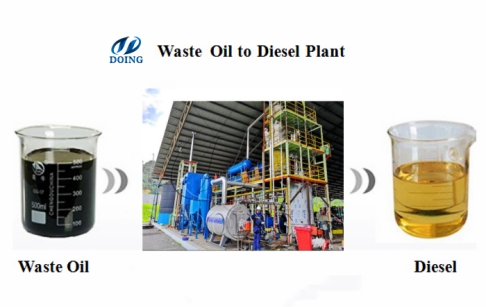
What is the Process of Waste Oil Distillation Plant and Its Advantages?
-
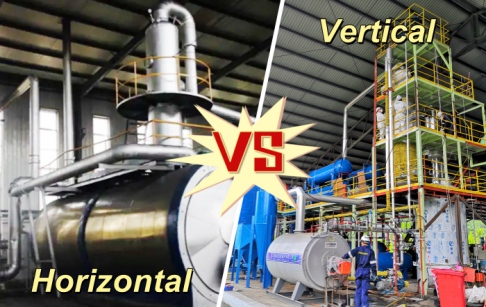
Horizontal vs Vertical Reactor for Waste Oil Distillation Plant
-
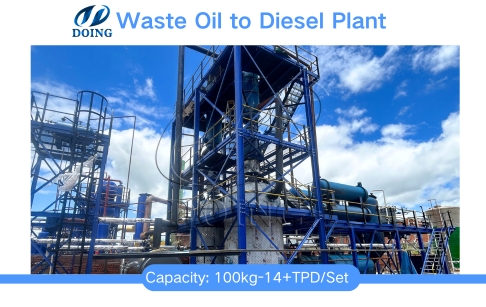
How much waste oil can be processed by waste oil recycling distillation plant daily?
-
Two Options for Liquid and Solid Catalyst Waste Oil Recycling Machines
-
-
-

DOING 10TPD Solid Catalyst Waste Oil Distillation Plant Installed in Kenya
-
10Ton Batch Plastic Pyrolysis Equipment Installed in Indonesia
-
2 Sets of DOING Pyrolysis Equipment for Plastic and Biomass Recycling Installed in China
-
Successful Installation of 50-Ton Fully Continuous Oil Sludge Pyrolysis Equipment in China
-
Installation of DOING 30 tons of waste oil distillation machine project installed in Kazakhstan
-
-