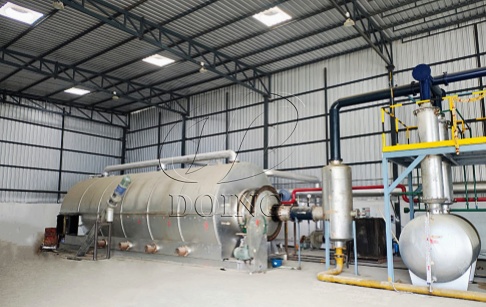


How To Carry Extended Producer Responsibility (Epr) In Used Oil Recycling Business?
In the environmental protection and circular economy sectors, EPR is a policy or management mechanism that requires producers to be responsible for waste throughout the entire product lifecycle, including recycling, treatment, and reuse.
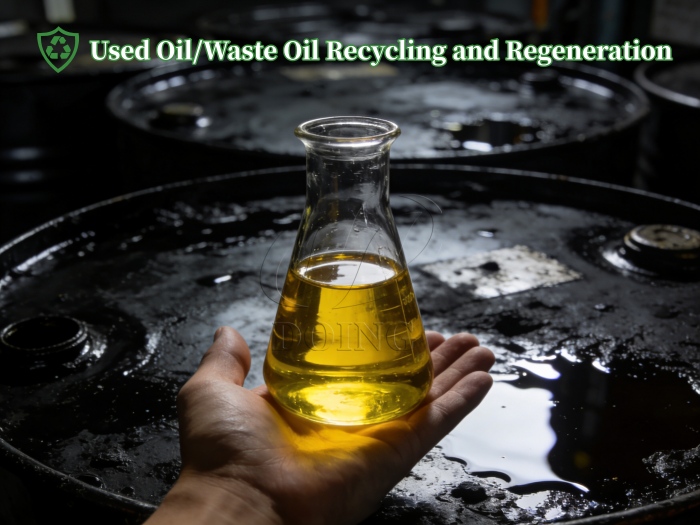 Product of used oil recycling and regeneration
For example, in the waste oil recycling business, oil producers may be responsible for the collection and recycling of waste oil. This requires producers to have stable processing capacity (able to cope with fluctuations in waste volume) and cleanliness (the treatment process will not pollute the environment). So how should producers implement Extended Responsibility (EPR) in the used oil recycling business? Please see the following key points:
1. Registration and Regulatory Compliance: EPR requires companies to register on an official EPR registration platform or a third-party management organization (PRO) platform, submitting company information, product categories, facility information, and proof of processing capacity, and obtaining "construction permits" and "operation permits" to ensure that facilities meet the standards for processing capacity and emission control.
2.Reporting, Audits, and Equipment Selection: After registration, companies need to submit annual reports on a specified basis, including used oil product input, recycling volume, processing volume, and emissions. Regulatory agencies will conduct audits to verify whether facilities have stable processing capacity and comply with emission standards. Therefore, selecting qualified used oil recycling regeneration machines is crucial, as equipment performance directly affects waste treatment efficiency and emission control, determining whether a company can pass audits and continue operating.
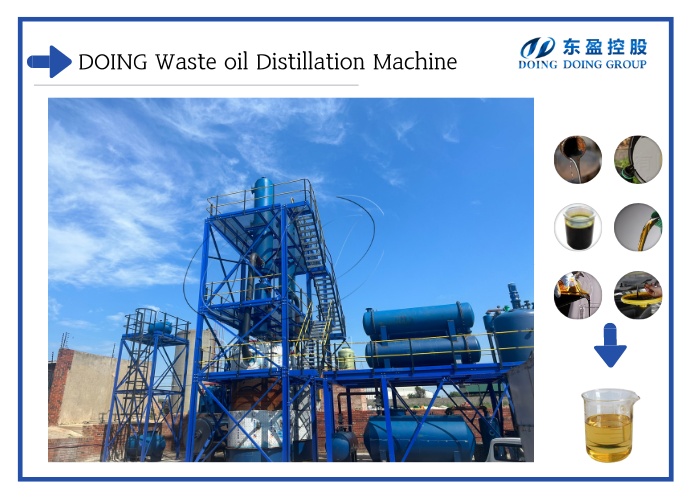 Used oil recycling regeneration machine
3. Generating and Trading EPR Certificates: For every ton of waste oil successfully recycled, you can generate an EPR certificate on the portal. Lubricant manufacturers and importers have a legal obligation to meet recycling targets. They fulfill this obligation by purchasing your EPR certificate. This creates a market-based revenue stream for recyclers.
4.Prioritizing High-Value Regeneration: To maximize environmental and economic value, focus should be placed on used oil regeneration. Regeneration or refining processes can recover waste oils like waste motor oil, used engine oil, old lube oil, heavy black oil, mazut, etc. into high-quality resuable fuel oil, achieving a closed-loop resource system with low environmental impact, relatively stable economic benefits, and easier access to End of Waste (EoW) certification, rather than downgrading or incineration.
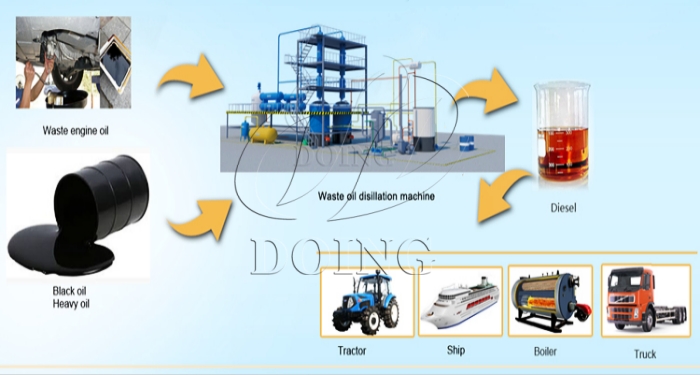 Applications of used oil recycling regenerated diesel
5.Collaborative Business Models for EPR Success: EPR is more than just compliance; it's a business model that requires active collaboration. Partner with manufacturers: Form alliances with lubricant manufacturers, oil refinery plant or used oil collection compaines/facilities to create a closed loop.
6.Data Management and Traceability for Verification: Companies need to maintain complete records of incoming batches, quality inspections, processing operations, product testing, and certificate transaction flows, and can achieve third-party testing and traceability through barcodes, RFID, or blockchain technology. Therefore, the data-driven capabilities of the used oil recycling regeneration equipment, such as PLC systems, are particularly important. They not only improve operational controllability but also simplify regulatory audits and certificate verification.
Therefore, fulfilling extended responsibility in used oil recycling business is not only a regulatory compliance requirement but also a business model that drives innovation and achieves sustainable development. To implement EPR efficiently, compliantly, and economically, selecting high-performance, environmentally compliant recycling equipment is crucial. Equipment performance directly affects waste oil treatment efficiency, recovery rate, product quality, and emission control, thus determining the number of EPR certificates generated and the market value of recycled products.
Our Advanced Used Oil Recycling Regeneration Solutions
Henan DOING Company’s used oil recycling regeneration machine has outstanding advantages:
1. High-efficiency heating system: Adopting a dual heating mode (heat transfer oil circulation heating + bottom heating), it heats up faster than a single heating method, significantly saving fuel and shortening the refining cycle.
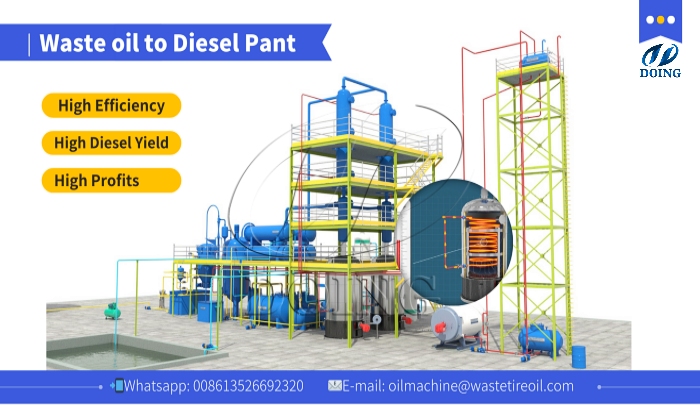 Outstanding advantages of used oil recycling regeneration machine
2. High oil yield and quality: Final regenerated fuel oil yield can reach 85%-90%. The equipment is equipped with a professional shell-type condensation system, which boasts high condensation efficiency, resulting in diesel fuel that is clear in color and has a mild odor. The non-standard diesel fuel extracted from used oil recycling regeneration process have wide industrial applications, including heating boilers, heavy machinery, diesel oil generators, even in transportation(ship, boat, truck, etc.) The market price of regenerated diesel fuel is generally above $550-$800/ton, competitive with traditional fuels, offering significant profit margins.
Note: This kind of regenerated fuel is not equal to standard diesel, which can't be used in vehicles like cars.
3. Automatic slag discharge technology: Utilizing a vertical used oil to diesel distillation reactor design, it is not only safe and efficient but also allows for automatic slag discharge from the bottom, making reguar cleaning and maintence convenient.
4. Environmental compliance: Equipped with a dedicated exhaust gas purification system, it ensures that emissions during the production process meet environmental standards, eliminating secondary pollution.
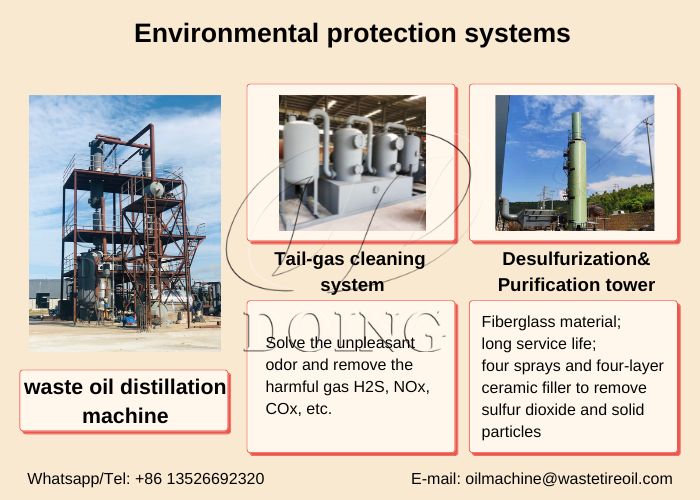 Environmental protection system of used oil recycling machine
Choosing reliable used oil recycling regeneration machines is a solid step in fulfilling EPR responsibilities and achieving circular economy benefits. Please feel free to contact Henan Doing Company, a reliable manufacturer who specialized in waste to fuel recycling regeneration industries for more than 15 years, for more product details or customized solutions.
 PREV:When Does a DOING Fully Continuous Pyrolysis Machine Break Even?
 NEXT:What Are The Site Requirements For Establishing A Pyrolysis Plant?
Please feel free to leave your contacts here and your privacy is protected. A competitive quotation will be provided according to your detailed requirement within one business day.
- QWhat raw material do you plan to process?
- Rubber tire
- Waste plastic
- Oil sludge
- Biomass
- Waste oil
- Pyrolysis oil
- Not decided yet
- Other:
- QMachine daily processing capacity (tons of feedstock)
- 100kg-2ton
- 5-15ton
- 15-50ton
- >50ton
- Not decided yet
- QDesired final product and its primary applications

-
Waste Oil Recycling to Diesel Machine Price, Capacity, and ROI: A Complete Guidance for Customer
-
What is the Process of Waste Oil Distillation Plant and Its Advantages?
-
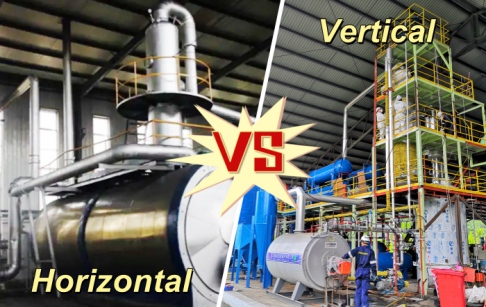
Horizontal vs Vertical Reactor for Waste Oil Distillation Plant
-
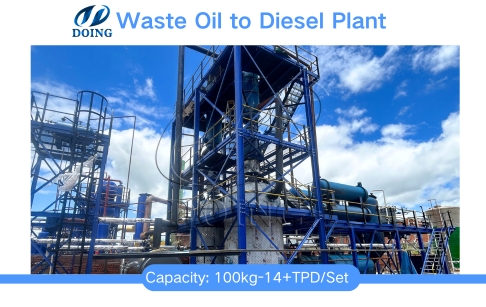
How much waste oil can be processed by waste oil recycling distillation plant daily?
-
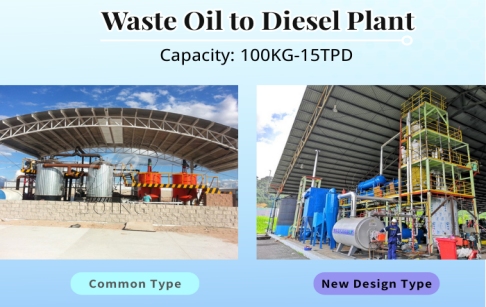
Two Options for Liquid and Solid Catalyst Waste Oil Recycling Machines
-
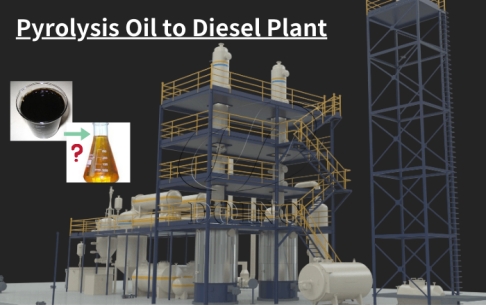
-
-

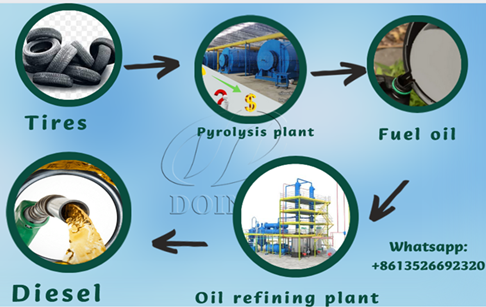
DOING 10TPD Solid Catalyst Waste Oil Distillation Plant Installed in Kenya
-
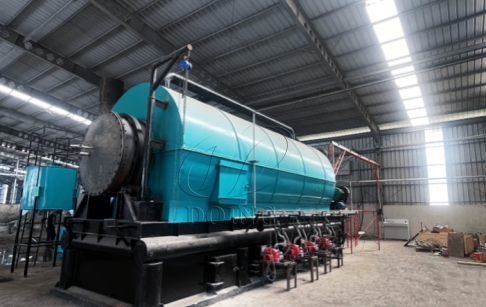
10Ton Batch Plastic Pyrolysis Equipment Installed in Indonesia
-
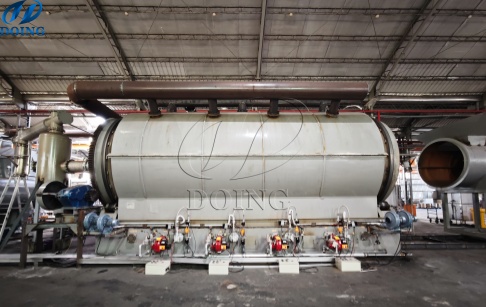
2 Sets of DOING Pyrolysis Equipment for Plastic and Biomass Recycling Installed in China
-
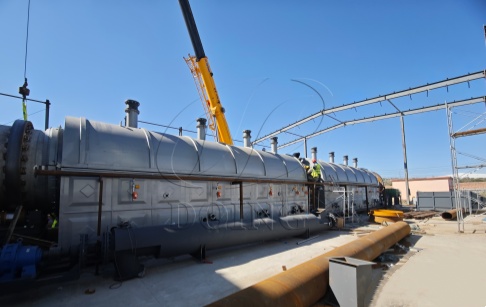
Successful Installation of 50-Ton Fully Continuous Oil Sludge Pyrolysis Equipment in China
-
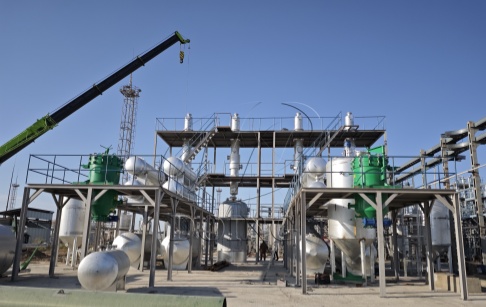
Installation of DOING 30 tons of waste oil distillation machine project installed in Kazakhstan
-
-